Unleashing the Power: An In-Depth Overview to VR6 Jetta Engines
The VR6 engine represents a unique fusion of efficient design and exceptional capability. Its unique engineering attracts performance enthusiasts and casual drivers alike. With numerous aftermarket upgrades available, many owners seek ways to improve their vehicle's overall performance. Understanding essential tuning techniques and common maintenance issues can greatly impact longevity and performance. As the conversation progresses, the many pathways to maximizing the VR6's capabilities will emerge with greater clarity.
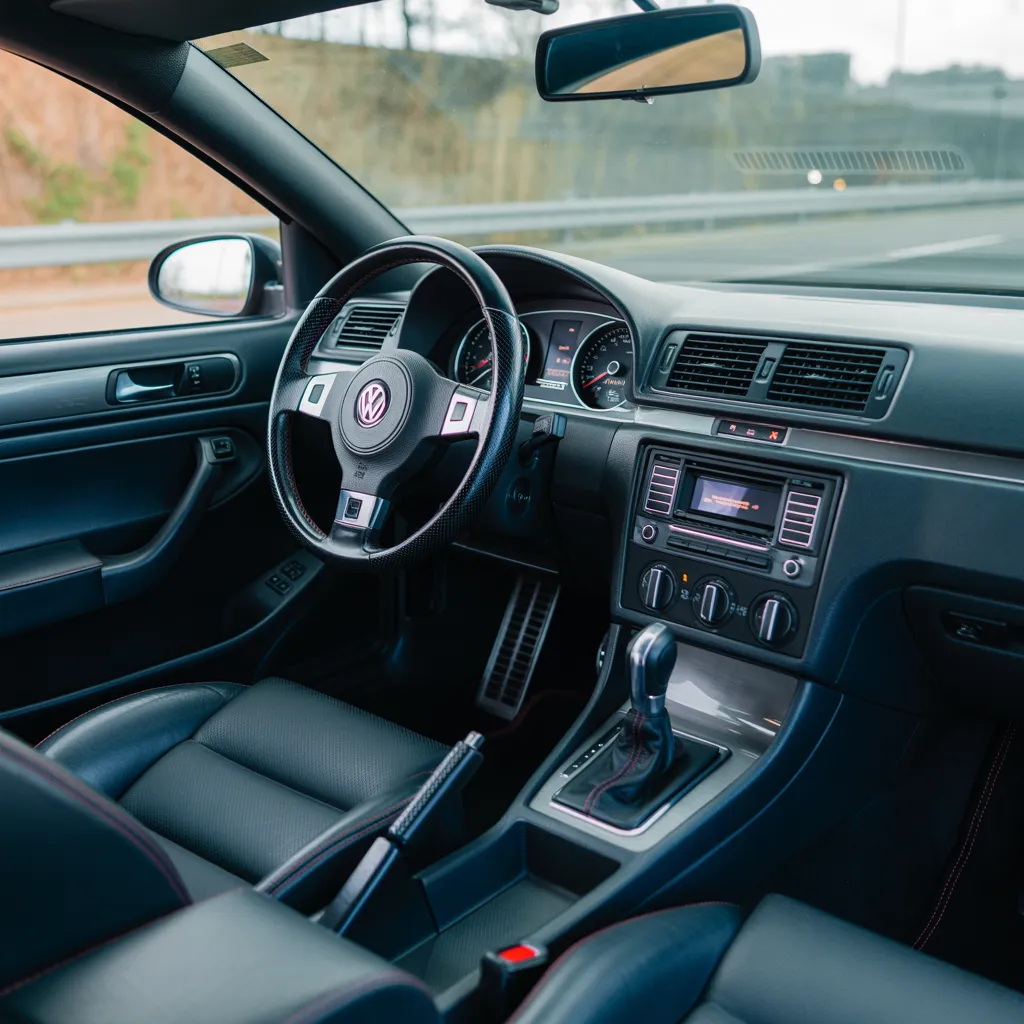
The Remarkable Engineering of the VR6 Engine
The VR6 engine is remarkable in the field of automotive engineering because of its innovative design that combines the characteristics of both V and inline configurations. This distinctive layout permits the VR6 to remain compact while generating substantial power. The engine utilizes a informative guide narrow-angle V design, which facilitates a more compact engine profile compared to traditional V engines. This compactness allows for simpler fitment in a range of vehicle platforms, particularly in the Jetta.
Additionally, the VR6 features a solitary cylinder head, simplifying the design while minimizing weight. Its configuration achieves smooth operation and minimal vibration, enhancing overall driving comfort. The engine generally features a specialized firing arrangement that produces its distinctive sound, appealing to enthusiasts. Ultimately, the VR6 engine exemplifies innovative engineering, maintaining equilibrium between performance, efficiency, and space-conscious construction, making it a remarkable choice for many automotive applications.
Why Upgrade Your VR6 Jetta
Modifying a VR6 Jetta can considerably boost both power and overall driving quality. Enthusiasts often pursue advancements in power output, handling, and overall efficiency. The VR6 engine, renowned for its unique design and smooth operation, offers a excellent foundation for such improvements. Upgrades can lead to impressive boosts in performance output, leading to quicker acceleration and a more exhilarating ride.
In addition, adjustments can boost the automobile's agility and responsiveness, creating a more satisfying driving dynamic in diverse conditions. A finely tuned VR6 Jetta can additionally reach greater fuel efficiency, supporting a equilibrium between performance and practicality.
Additionally, enhancing components such as the suspension, brakes, and exhaust system can elevate the vehicle's dynamics, providing a more rewarding driving experience. In the end, these improvements not only improve overall performance but also add to the car's value and appeal to both current and prospective owners, making these enhancements a valuable decision.
Top Aftermarket Modifications for VR6 Power
Boosting VR6 output often begins with strategically selected aftermarket enhancements that improve performance. One of the most impactful upgrades is a high-performance intake system, which provides increased airflow, optimizing combustion efficiency. Paired alongside a high-performance exhaust system, this duo not only increases power but also produces a more dynamic sound.
A further widely recognized enhancement is the installation of a performance chip or ECU remap, which adjusts engine parameters to enhance horsepower and torque. Enhancing the ignition system with high-performance coils and spark plugs can also yield significant gains, guaranteeing optimal combustion.
For drivers aiming to upgrade handling in addition to performance, upgraded suspension components, like sway bars and coilovers, are essential. Furthermore, light alloy wheels minimize unsprung weight, improving both acceleration and braking. As a whole, these critical upgrades provide a well-rounded approach to unlocking the full potential of the VR6 engine.
Fundamental Optimization Techniques for Maximizing VR6 Output
Fine-tuning the VR6 engine demands a calculated approach to achieve its full performance potential. Primary strategies include optimizing the combustion mixture through reprogramming the ECU, which enhances overall power output and throttle response. Replacing the intake and exhaust systems can substantially improve airflow, helping the engine to breathe easier and achieve superior performance at elevated RPM ranges.
Installing a performance chip can calibrate fuel delivery and ignition timing, boosting overall performance and power output. Furthermore, consistent servicing of components including ignition coils and firing components ensures that the engine functions properly, preventing performance degradation.
Investing in a high-quality intercooler is vital for anyone seeking to optimize forced induction setups, as it helps maintain ideal intake temperatures. Finally, using a dyno for exact tuning enables real-time corrections, assuring that the engine operates at its best across various driving conditions. These essential techniques work together to improve the VR6's overall performance.
Handling Common Problems in VR6 Engines
Within VR6 engines, timing chain tensioner problems and intake manifold issues are among the most frequently encountered concerns. These problems can lead to significant performance degradation and potential engine damage if not addressed promptly. Grasping the underlying causes and effective solutions is vital for sustaining maximum engine functionality.
Problems with the Timing Chain Tensioner
Timing chain tensioner problems often develop in VR6 engines, causing potential performance issues and costly repairs. These problems often stem from wear or failure of the tensioner, which can result in inadequate chain tension. A malfunctioning tensioner may cause the timing chain to shake or emit strange sounds, indicating that the chain may not be properly aligned. If left unchecked, this can lead to significant engine deterioration, including bent valves or a complete engine failure. Regular inspections and timely replacements of the timing chain tensioner can help minimize these hazards. Those who own VR6 engines should keep alert for symptoms of tensioner failure to secure maximum performance and lifespan of their vehicles.
Intake Manifold Faults
Intake manifold problems can significantly impact the power and efficiency of VR6 engines. Frequent concerns encompass vacuum leaks, which can cause unstable idling and diminished fuel economy. Furthermore, the design of the intake manifold can create inconsistent airflow patterns, causing decreased power output and rough running. Over time, carbon buildup can also obstruct airflow, increasingly diminishing engine efficiency. Routine inspections are critical to detect these problems promptly. Installing new components in place of damaged ones can restore peak performance. Additionally, transitioning to performance intake manifolds may enhance airflow and increase horsepower. Tackling these issues assures that the VR6 engine runs efficiently, upholding its legacy of strength and dependability.
Preventive Maintenance Guidelines for Your VR6
Upkeeping a VR6 engine calls for focus on various essential parts to ensure peak performance and longevity. Regular oil changes are essential, with synthetic oil suggested to withstand the engine's demands. Monitoring coolant levels and verifying that the system is free of leaks will avoid overheating issues, a common issue in VR6 engines.
Additionally, the timing chain and tensioner must be reviewed consistently, as breakdowns can cause extensive engine deterioration. Changing the air filter on a routine basis secures the best possible airflow and functionality.
Inspecting the spark plugs and ignition coils is critical for sustaining effective combustion. Alignment and tire pressure should not be neglected, as these elements directly affect the performance of the engine.
In addition, incorporating a high-quality fuel additive can help clean fuel injectors and improve overall efficiency. By implementing these preventive maintenance recommendations, drivers can unlock the complete potential of their VR6 engines while keeping unexpected issues to a minimum.
Analyzing VR6 Performance Versus Other Engine Types
Although numerous engine configurations provide unique benefits, the VR6 stands out for its exceptional combination of performance and space-efficient layout. This engine configuration provides a impressive power band, generating remarkable torque and horsepower, which elevates the driving experience in the Jetta. Measured against inline-four engines, the VR6 generally provides smoother acceleration and a more exhilarating sound, appealing to enthusiasts.
Unlike conventional V6 engines, the VR6's more compact design allows for more flexibility in vehicle configurations, resulting in improved handling dynamics. Turbocharged engines, while often yielding increased maximum power, may lack the consistent power output typical of the VR6, which tends to be more rewarding in everyday driving scenarios.
In the end, the VR6 engine strikes a equilibrium between capability and efficiency, making it a persuasive choice for drivers looking for a engaging driving experience without compromising on spatial comfort and design.
Commonly Asked Questions
What Is the Historical Background of the VR6 Engine Design?
The VR6 engine design originated in the late 1980s, engineered by Volkswagen. It merged the advantages of a V6 and inline engine, offering compact dimensions while maintaining smooth operation and powerful performance for various models.
How Does the VR6 Engine Stack Up Against Turbocharged Engines?
The VR6 engine delivers a remarkable blend of strength and fluidity, commonly offering a more linear power delivery compared to turbocharged engines, which commonly provide power in sudden spurts, resulting in a notably different driving character.
What Is the Expected Lifespan of a VR6 Engine?
The expected lifespan of a VR6 engine commonly sits between one hundred fifty thousand to two hundred thousand miles, subject to driving conditions and maintenance. Proper care can greatly extend its lifespan and general performance reliability.
Do VR6 Engines Have Any Specific Oil Recommendations?
VR6 engines generally perform best with top-grade synthetic lubricants, specifically those rated at 0W-40 or 5W-40. Consistent oil changes combined with strict adherence to manufacturer guidelines ensure optimal performance and extended lifespan for these powerful engines.
Which Fuel Types Are Best for Enhancing VR6 Performance?
To optimize VR6 performance, premium unleaded fuel with a minimum octane rating of 91 or higher is recommended. This fuel type enhances combustion effectiveness, maximizing power output and overall engine responsiveness, critical for high-performance driving.